India’s AI model development and releases have lagged significantly behind those of the United States, Europe, and China. A small number of startups are releasing models, with the majority being large language models or voice models. To spur greater innovation, the government introduced the India AI Mission — a $1.2 billion program that, among other measures, offers selected startups subsidized access to GPU computing resources in return for publicly releasing their AI models. One of the 12 selected startups in the program, Peak XV-backed Avataar AI, has introduced a new video model named Varya. Designed to understand local nuances such as regional festivals, cuisine, and attire, Varya was not developed entirely from the ground up by the e-commerce video tools specialist. It began with Wan 2.2, Alibaba’s publicly released video generation model. The team then applied a technique called distillation—essentially compressing the model’s capabilities into a lighter, faster version tailored to Avataar’s specific needs. The resulting model operates in just four steps instead of Wan 2.2’s 50, generating video 10× faster and at a fraction of the cost. Concretely, on an NVIDIA H200 GPU, Varya can produce a 5-second 720p clip in 45 seconds, versus 1,230 seconds for Wan 2.2. Perhaps the most impressive feature of all is its price. The company intends to charge ₹0.48 ($0.005) per second for video on its hosted platform — significantly cheaper than competitors such as Veo, Kling, Luma, and Runway, which usually cost $0.10 or more per second. That’s about a 20-fold price gap. “India is a video-first market.”
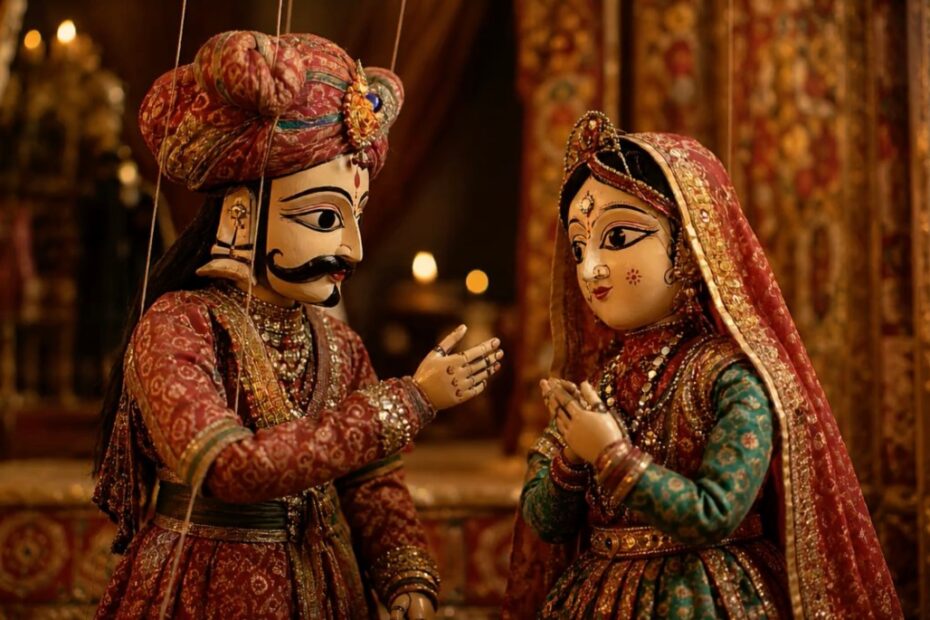
Cheaper, faster, and culturally aware, Avataar’s video AI is built for India’s scale
- by stefan