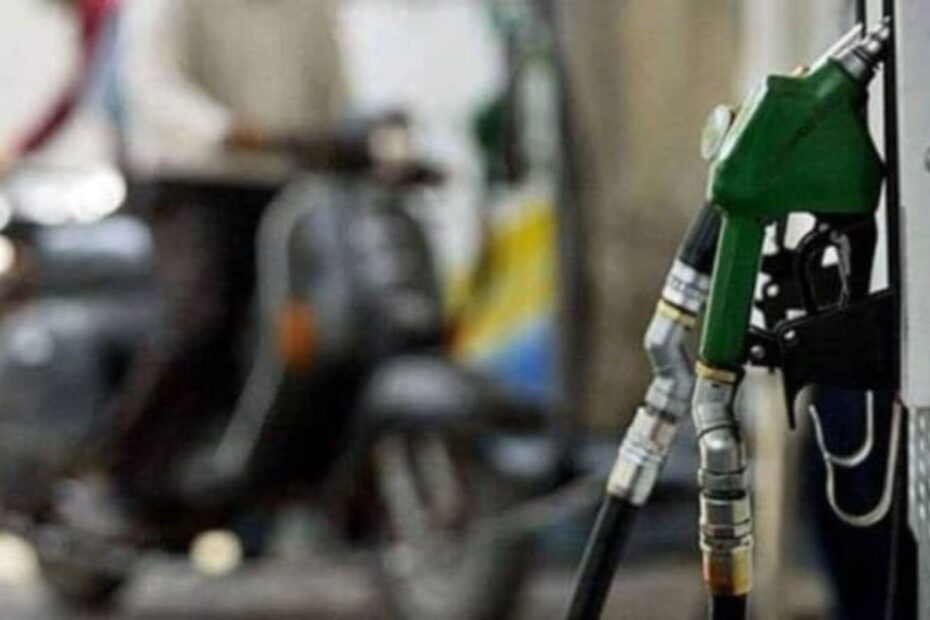
The excise duty waiver is aimed at boosting demand for ethanol-blended fuel (Representative image)
The Centre has exempted excise duty on petrol blends containing 22%, 25%, 27%, and 30% ethanol, following the approval of new fuel standards. The move is expected to encourage adoption of higher ethanol blends beyond the current E20 mandate, aiming to reduce crude oil imports, boost domestic biofuel use, and increase energy security amid global supply uncertainties.
As per a government notification cited by Reuters, the move applies to fuel variants including E22, E25, E27 and E30, making it the first major fiscal support aimed at promoting ethanol-blended fuels.
ALSO READ | Can you use E85 fuel in your car? Here’s what to check first
The announcement comes shortly after the Bureau of Indian Standards (BIS) introduced fuel-quality specifications for E22, E25, E27 and E30 petrol blends. Effective from May 15, 2026, the standards outline key parameters such as ethanol concentration, octane requirements, sulphur content, testing protocols and safety norms.
India imports most of the crude oil it consumes, making fuel imports a major burden on the economy. The government sees ethanol as an important component of its strategy to address that challenge.
ALSO READ | India’s ethanol leap and the emerging trade-offs
Howver, concerns have surfaced in recent months over the potential impact of blended fuel on engines, with some motorists worried about lower mileage, possible engine wear and expensive maintenance costs over time.
The Ministry of Petroleum and Natural Gas (MoPNG), however, has pushed back against such claims, describing many of the concerns as unsupported by scientific evidence and technical assessment.
Story continues below this ad
In a detailed post on social media platform X, the ministry said the perception that ethanol blending is damaging vehicles or creating undue inconvenience for consumers is not grounded in facts. It maintained that ethanol blending is a scientifically validated and environmentally sustainable initiative that offers multiple benefits to the country.
While vehicles manufactured in recent years, especially those introduced from 2023 onward, are generally considered compatible with E20 fuel, questions remain regarding older vehicles that were not specifically designed for higher ethanol blends.
These issues have prompted some consumers to question how ethanol-blended petrol could influence the lifespan of their vehicles. Others have raised concerns over the lack of clarity at fuel stations regarding the blend percentage being dispensed, arguing that motorists are often unaware of the exact fuel composition. There have also been demands for blended fuels to be sold at a lower price than conventional petrol.
The petroleum ministry acknowledged that E20 fuel-comprising 20 per cent ethanol and 80 per cent petrol-can lead to a reduction in fuel economy, but said the impact is relatively minor.
ALSO READ | India to have 5,000 flex-fuel pumps by 2027-end