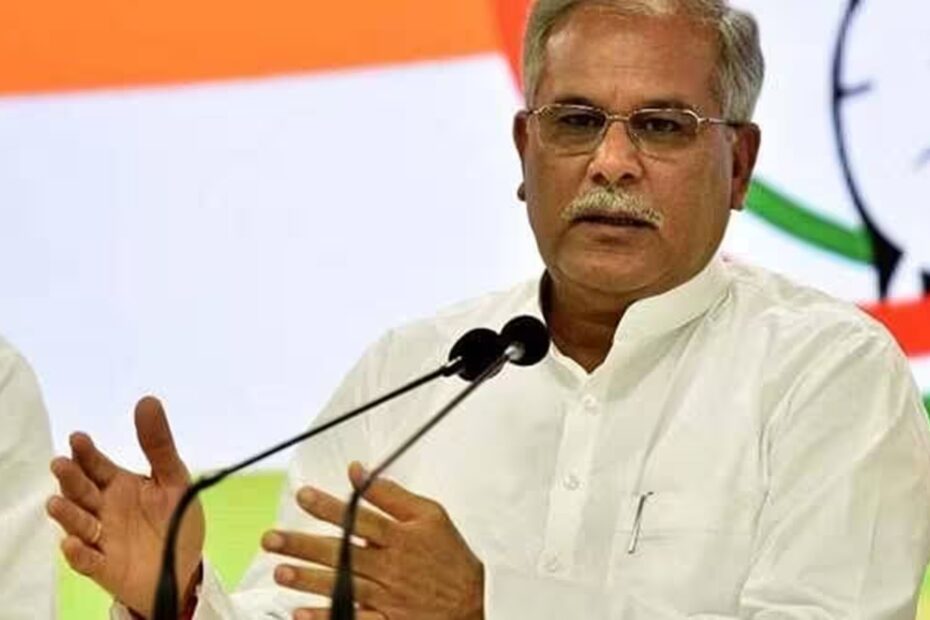
On July 31, the Congress in Punjab was hoping to “strengthen itself in weak booths” with AICC general secretary in-charge for Punjab Bhupesh Baghel’s nine-day organisational tour of the state. Instead, by the end of the visit on August 8, the party found itself firefighting internal power struggles and fissures as public clashes erupted between rival factions.
At the centrestage of the clashes were supporters of former Chief Minister Charanjit Singh Channi, state Congress chief Amrinder Singh Raja Warring and sometimes those of Baghel himself.
Advertisement
Between July 31 and August 8, the party’s “Har booth, Congress Mazboot” tour covered around 18 districts, largely in the politically crucial Malwa belt, including Fatehgarh Sahib, Patiala, Sangrur, Barnala, Mansa, Bathinda, Muktsar Sahib, Fazilka, Ferozepur, Moga, Faridkot, Ludhiana, Malerkotla, Khanna, Shaheed Bhagat Singh Nagar and Ropar.
Even as Baghel, accompanied by Warring, held marathon meetings with district and block-level office-bearers, booth-level agents, former candidates and workers, the organisational message was repeatedly drowned out by a familiar one: remove Warring as state chief and project Channi as the party’s CM face for the 2027 Assembly polls.
In Patiala and Sangrur, Channi’s supporters raised slogans such as “Channi lao, Punjab bachao (Bring Channi, save Punjab)” during party programmes triggering warnings from Baghel, who said such behaviour could invite disciplinary action, including expulsion.
Recurring clashes
Advertisement
Ludhiana proved to be the biggest flashpoint. At an organisational meeting, supporters of former minister Bharat Bhushan Ashu, considered close to Channi, disrupted proceedings with “Baghel go back” slogans. Some protesters also wore T-shirts comparing Baghel with General Dyer. In response, posters appeared portraying Channi as an “RSS agent” and, in Amritsar, slogans reading “Channi bhagao, Congress bachao (remove Channi, save Congress)” were put up.
The confrontation in Ludhiana also turned physical, with rival groups coming to blows. Warring accused the protesters of behaving like “RSS agents” and “sycophants”, while Baghel maintained that the party would have zero tolerance for indiscipline. Some protesters walked out of the meeting.
Malerkotla witnessed similar scenes, with rival groups clashing on stage and police having to intervene. In Khanna, where Baghel’s tour concluded, workers again raised slogans backing Channi. Attempts to stop them led some to walk out. Moga also saw poster and flex wars targeting Baghel and Channi.
The irony was hard to miss: a campaign billed as one to strengthen the organisation repeatedly exposed how fragile the party’s unity remained.
Baghel, however, continued to strike an upbeat note in public. He spoke of enthusiasm among workers, claimed there was strong public sentiment against the AAP government and said the Congress was preparing to seek a full mandate in 2027.
Party leaders, however, privately expressed concern that the optics of repeated clashes were overshadowing the purpose of the tour. The concern, they said, was not merely about individual confrontations but about the message being sent to voters – that the Punjab Congress remained preoccupied with its internal leadership battle.
In signs that the crisis rages on the state unit, 15 of the party’s 16 MLAs – one has been suspended and has aligned with the BJP – on August 7 wrote to the high command seeking appointments with AICC general secretary (organisation) K C Venugopal and Leader of the Opposition Rahul Gandhi to discuss “pressing” issues.
Baghel’s Chandigarh visit fails
The nine-day tour also followed an earlier, five-day Chandigarh exercise by Baghel in July, which had been intended to address much the same problem — and produced little breakthrough.
Baghel arrived in Chandigarh on July 6, shortly after the Congress high command decided to retain Warring as Punjab president while appointing Channi chairman of the party’s campaign committee. His visit was presented as an attempt to bring rival camps together, hold meetings of newly constituted election-related committees and seek feedback from district leaders and workers.
But leaders aligned with Channi largely kept their distance from the initial round of meetings. Baghel’s one-on-one interactions and committee discussions were dominated by leaders closer to the Warring camp. Publicly, he sought to play down the differences, saying there was “no resentment” and that “all is well” in the party.
It was only towards the end of his visit, on July 11, that a substantial meeting with the dissident camp took place at the Chandigarh residence of MLA Rana Gurjeet Singh. Around 80 leaders associated with the Channi camp attended, in what was seen within the party as a show of strength.
The group reiterated its demand for a greater organisational role for Channi and the replacement of Warring. Baghel heard them out and assured the leaders that their concerns would be conveyed to the high command. He also maintained that the distribution of tickets would be based on winnability rather than factional loyalties.
After returning to Delhi, Baghel submitted a report to Venugopal on July 15, based on consultations with around 92 leaders. He indicated that there was no immediate need to change the existing leadership arrangement, arguing that such changes were not “gudda-guddi ka khel (game of puppets)”. The high command subsequently made no immediate alteration to the setup.
But if the July visit was meant to cool tempers, the events of the following weeks suggest that the temperature barely moved.
The Warring-Channi contest continued to play out in public, with former Deputy Chief Minister Sukhjinder Singh Randhawa also part of the wider factional equation. Separate programmes by rival groups, public criticism and competing displays of strength continued.
For the Punjab Congress, the problem is no longer restricted to two rival camps disagreeing over leadership. The disagreement is increasingly becoming the party’s most visible political message.