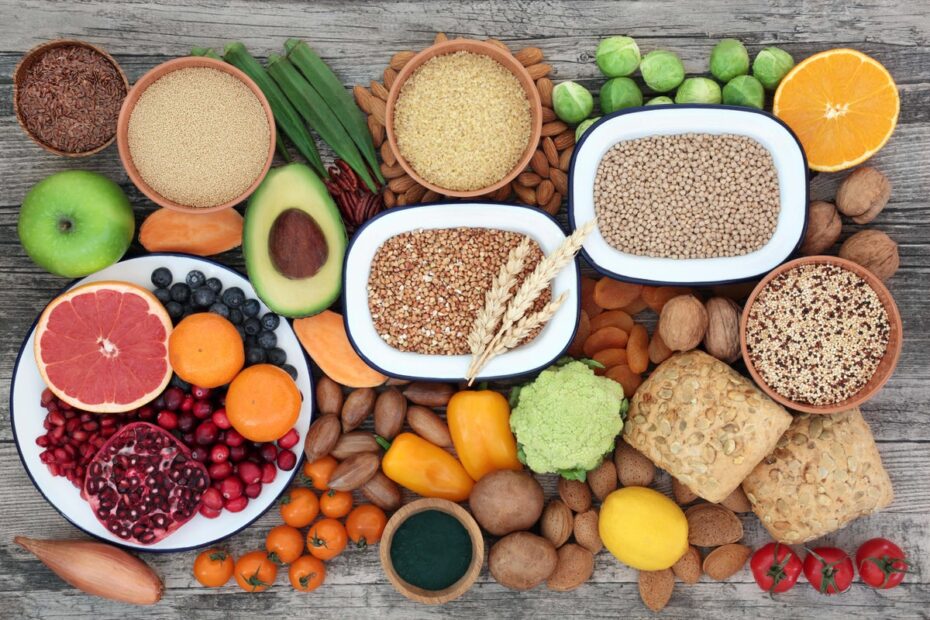
Given just how quickly “fibermaxxing” — or the idea of maximizing dietary fiber intake — proliferated online last year, it’d be easy to write it off as just another viral diet trend. And while there is such a thing as too much fiber, the truth is that most Americans aren’t getting enough of the carbohydrate, says Elisabetta Politi, CDCES, MPH, RD, a registered dietician at Duke Health. (The Academy of Nutrition and Dietetics recommends 14g for every 1,000 calories consumed, which is typically around 24g to 38g per day.) “Fiber is a really important component of the diet that has historically been overlooked,” says Olufemi Kassim, MD, a gastroenterologist at Northwestern Medical Group. “It’s basically the leftover stuff from fruits and vegetables that isn’t fully digested and helps your bowels move. You can get fiber from natural sources, like fruit, vegetables, or whole grains, or from supplements.” “Fiber can reduce the risk of heart disease and type 2 diabetes, lower cholesterol, support blood sugar management, provide satiety, reduce constipation, and may lower the risk of several types of cancer,” adds Jane Haas, RD, with Kristie Tovar Nutrition & Associates. “It also feeds the bacteria we have in our gut: When fermentable fiber sources are broken down by these microbes, short-chain fatty acids are produced, which help support gut health and digestion.”It’s ideal to get your fiber from food sources, since then you’re also “getting all the other micronutrients and nutritional benefits from the fiber sources, which tend to be very nutrient-rich,” says Dr. Kassim. But some people may struggle to get enough fiber in their diet for a variety of reasons, which can result in feeling a bit clogged up. That’s where supplements come in. Here’s what you need to know about fiber, how to know if you’re getting enough, and whether you might benefit from a supplement.What is fiber?“Fiber is an umbrella term for types of carbohydrates that we cannot fully digest, but that give us health benefits nonetheless,” says Jennifer Bruning, MS, RDN, LDN, a dietician and spokesperson for the Academy of Nutrition and Dietetics. Rather than being broken down by the gastrointestinal tract, fiber passes from the small intestine into the colon undigested. “That’s what helps give your stool bulk — that’s what keeps things moving,” says Dr. Kassim. There are two types of fiber: soluble fiber, which may help lower cholesterol, says Politi, and insoluble fiber, which does that all-too-important work of preventing constipation. Beans, peas, legumes, artichokes, leafy greens, sweet potatoes, winter squash, nuts, seeds, berries, pears, apples, and whole grains are all great sources of fiber. While 24g of fiber may not sound like much, getting enough actually requires some intentionality. For instance, a medium-sized apple with the skin on only has around 3g or 4g of fiber, and a cup of broccoli has 5g or 6g. “Peopl Read More