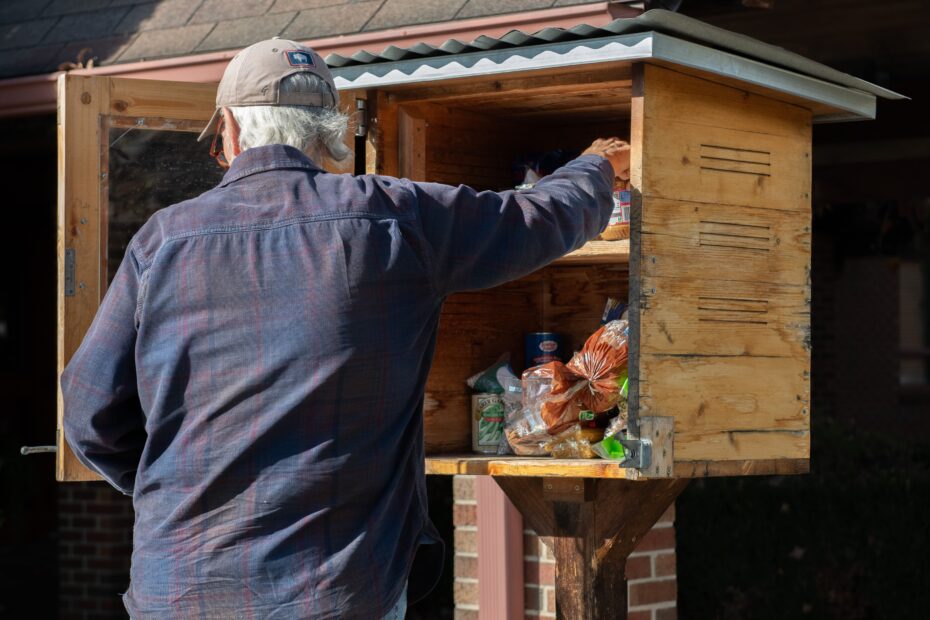
Arkansas families recently began receiving their monthly Supplemental Nutrition Assistance Program (SNAP) benefits, experiencing a nearly two-week delay due to a federal government shutdown. This lapse left more than 240,000 Arkansans without food assistance, according to Axios, notably driving food bank demand up as much as 75%, according to the Arkansas Foodbank.The shutdown was the longest in United States history, lasting 44 days from Oct. 1 to Nov. 12. The Arkansas Department of Human Services announced Nov. 13 that full November benefit amounts would be disbursed to cards beginning that midnight, after the U.S. Department of Agriculture issued a revised guidance to states following the shutdown’s end.”We are pleased that our beneficiaries will soon receive this important food assistance because we know that families all across our state depend on SNAP to supplement their grocery budgets,” said DHS Secretary Janet Mann in the press release. “This has been difficult for our beneficiaries, and we are incredibly appreciative to our partners across the state who helped bridge the gap through food pantries, donation drives, and other assistance efforts.”About one in nine Arkansas residents, including children and teens, rely on SNAP assistance, according to Arkansas Advocates for Children and Families. Benefits are normally issued on the fourth of each month.Delays and uncertainties put an unprecedented strain on Arkansas food banks and hunger relief organizations in a state that already has one of the nation’s highest food insecurity rates.”Due to the government shutdown, SNAP funding shortages and the furlough of thousands of federal workers, some of our food banks have seen an increase of 75% in demand,” said Sylvia Blain, CEO of the Arkansas Hunger Relief Alliance.Blain said individual increases are “highly dependent” on how many SNAP participants and federal employees are in each food bank region. The Arkansas Foodbank, which serves 280,000 people annually in 33 counties, said it saw a 10-20% increase in visitors — many of whom were first-time clients. “SNAP alone accounts for nine meals for every one meal food banks provide,” said Kate Jenkins, director of marketing and communications for Arkansas Foodbank. “When these programs are disrupted, food banks face surging demand that we cannot fully meet.” Food banks face further infrastructure limitations, as they can only order and hold a limited amount of food at a time. When there is an increase in demand, facilities remain limited by safe food storage capacity and funding, Blain said. Ahead of the November funding lapse, Gov. Sarah Huckabee Sanders directed $500,000 in state funds to six regional food banks: Northwest Arkansas Food Bank at Springdale, Food Bank of North Central Arkansas at Norfolk, Food Bank of Northeast Arkansas at Jonesboro, River Valley Regional Food Bank at Fort Smith, Arkansas Foodbank at Little Rock and Harvest Regional Food Bank at Texarkana Read More