Forty-six years may have passed since his death. But, for quintessentially argumentative Bengalis, there is rare, near-unanimous consensus that Uttam Kumar is the greatest Bengali cine star in history. And now, the actor — popularly known as “Mahanayak (mega star)” — is at the centre of the BJP government’s outreach, even as the party looks to solidify its control over the Bengali film industry, known as Tollywood after the Tollygunge neighbourhood of Kolkata where it is based.
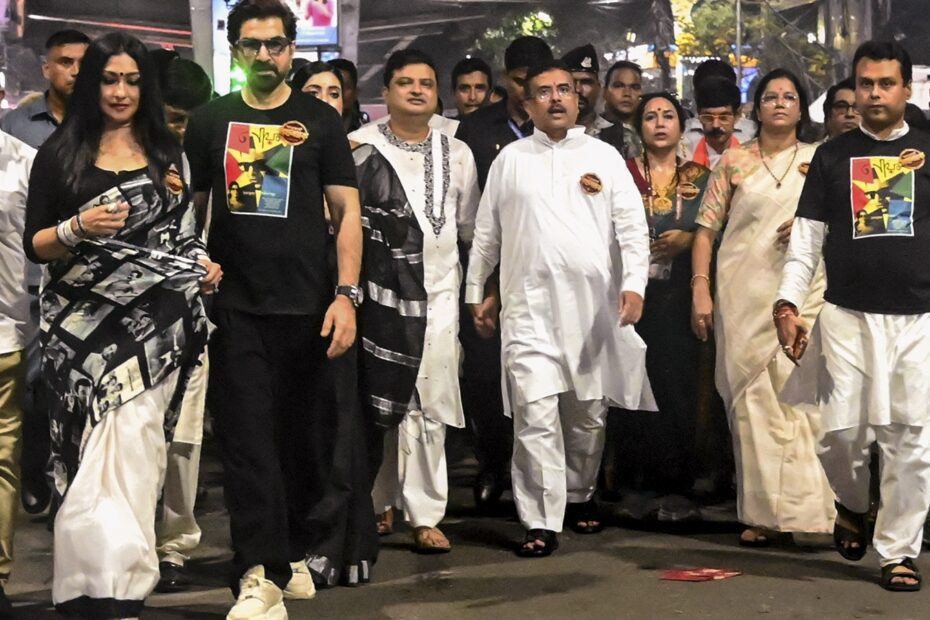
On Thursday morning, even as Prime Minister Narendra Modi released a video statement commemorating Uttam Kumar’s birth centenary, the BJP-led state government organised a special tribute ceremony at the matinee idol’s statue near the Tollygunge metro station, which was attended by Chief Minister Suvendu Adhikari and a host of big names from the industry. Among them were film star Prosenjit Chatterjee; veteran actor Ranjit Mallick, whose daughter Koel was appointed a Trinamool Congress (TMC) Rajya Sabha MP, but who resigned; rebel Trinamool MP and film star Deepak Adhikari, or Dev, who is now part of the Nationalist Citizens Party of India; and director Gautam Ghosh. BJP MLAs Rudranil Ghosh and Papiya Adhikari, and actor Rituparna Sengupta.
Advertisement
At the event, the CM touched the veteran actor’s feet and took him to the stage. This display of affection and respect came months after Mallick was all praise for TMC MP Abhishek Banerjee — now almost a persona non grata in political circles and the movie industry — who visited his home weeks before Koel’s Rajya Sabha nomination was announced. This, in a nutshell, illustrated the wave of change that has swept through Tollywood since the BJP’s win in the Assembly elections. The change has been more pronounced since the arrest of TMC leader Swarup Biswas, who called the shots in Tollywood for the past decade, allegedly deciding who gets work and who can’t, wielding “bans” as his weapon.
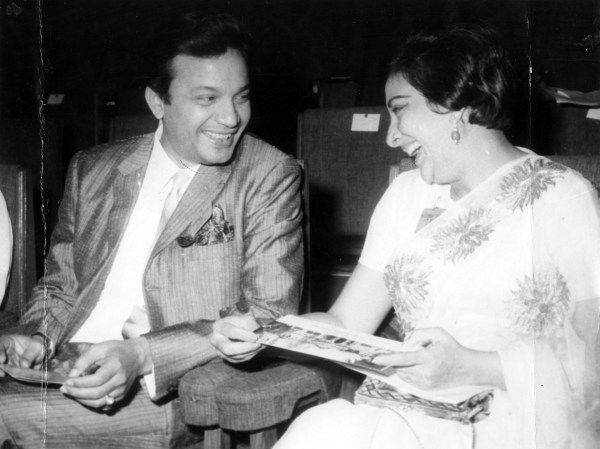 Uttam Kumar and Nargis Dutt at a ceremony held in Vigyan Bhavan in November 1968. (Image: Express Archive)
Adhikari also led a one-and-a-half-km tribute walk from the state-run cultural complex Nandan to the Gaganendra Shilpa Pradarshashala, flanked by actor and BJP leader Mithun Chakraborty, veteran actor Biswajit Chatterjee who was Uttam Kumar’s contemporary and is the father of Prosenjit, actor Jeet, veteran filmmaker Haranath Chakraborty, actors and former TMC MLAs Chiranjit Chakraborty and Kanchan Mallick, and Minister of State Purnima Chakraborty.
“We don’t have any differences. There is no narrow-mindedness. This film industry is vibrant and stands together. If required, we will pass legislation in the assembly to help the film industry in every way,” Adhikari said at the Gaganendra Shilpa Pradarshashala, where an exhibition on the cine star began, showcasing behind-the-scenes stills, advertisements, and magazines featuring him. The CM also announced that a state-of-the-art theatre complex bigger than the present Rabindra Sadan would be built to honour Kumar, and till September 6, film screenings, exhibitions, and guided heritage walks through locations tied to the actor’s life would be held, he added. On Friday, the foundation stone of the Uttam Kumar Film Centre will be laid in Kolkata’s New Town area around 11 am.
Advertisement
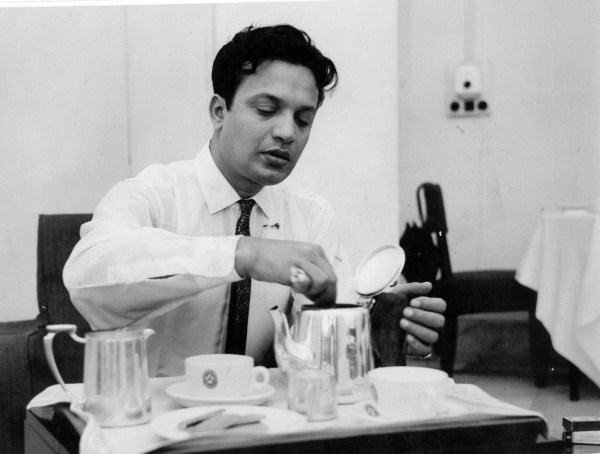 Uttam Kumar in a still from a movie. (Image: Express Archive)
Behind BJP’s move
This massive outreach not only sends a signal to Tollywood but also to the public at large that Bengali cultural politics is important for the ruling party.
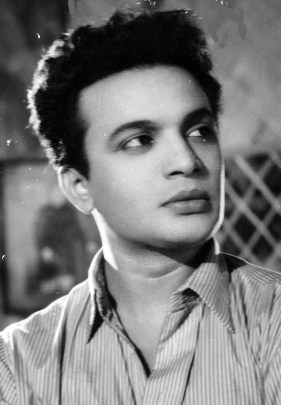 Uttam Kumar in a still from a movie. (Image: Express Archive)
Before the BJP, the TMC and Mamata Banerjee had also tried to burnish their cultural credentials by honouring Uttam Kumar. In 2011, on the occasion of his 31st death anniversary, Banerjee, coming fresh off defeating the Left, announced the annual “Mahanayak Samman” Award in his memory. Much like the BJP now, which is critical of the TMC for allegedly not doing enough to honour the film star, Banerjee at the time alleged that the Left refused to give Kumar the respect he deserved and, following his death on July 25, 1980, did not allow his body to be taken to Rabindra Sadan, the cultural nerve centre of Kolkata. Banerjee subsequently followed this outreach to the film industry by roping in well-known faces from the industry in politics and fielding them in elections.