BETHLEHEM, Pa. — Perhaps you’ve noticed the plethora of protein-packed products lining the store shelves nowadays.It’s not just protein bars anymore.Today you can find protein potato chips (chicken and waffle flavored, and made with real chicken to boot), cinnamon rolls, brownies, pancakes and, yes, even water.Indeed, you read that right: protein water.On top of that, you may have been inundated with a laundry list of influencers on social media promoting protein, emphasizing how much you need and where you can get it from (often their supplements and products, of course).But what’s the real deal? Do you really require 200 grams of protein derived solely from lean chicken? Or should you have a couple barebells to up your intake?LehighValleyNews.com sat down with Capital Blue Cross Registered Dietician Kelsey Henry to find out what’s what with protein and how you can navigate all the confusion.What is protein, and what does it do?First off, let’s take a look at what protein exactly is.It’s one of the three ways that people consume calories; the others are carbohydrates and fats.“It does a lot of different things, but most people are familiar with the way that it helps build and repair all of our body’s tissues. But it also helps support our hormonal health.”Capital Blue Cross Registered Dietician Kelsey Henry “It does a lot of different things, but most people are familiar with the way that it helps build and repair all of our body’s tissues,” Henry said. “But it also helps support our hormonal health.“It’s important for everyone, especially if you’re aging and going through some different hormonal changes. They are so important to all life changes, and they also support our immune system. “A lot of people aren’t quite aware of that one, but it can be helpful for helping keep us healthy and fighting against illnesses, or even helping support our immune functions.”So that when we do get sick with, say, the flu, or we might have symptoms a little bit less severe.”Protein also helps with satiety, Henry said, providing a sense of fullness after you eat a meal.An adequate amount of protein can help sustain that feeling, potentially preventing someone from becoming hungry and snacking on higher calorie foods.How much do I need?So how much protein does a person need?As it turns out, that’s a tricky question.Henry explained that federal dietary guidelines prior to the introduction of the new food pyramid set guidelines based on the minimum amount of protein a typical adult would need to prevent a deficiency.That was about 0.8 of a gram per kilogram of body weight.Newer guidelines suggest 1.2 to 1.6 grams of protein per kilogram of body weight, which has led many to ask exactly why that figure jumped so high, and what does that mean for them.”Everyone is different, and we all have different needs.”Capital Blue Cross Registered Dietician Kelsey Henry To get a better understanding, Henry said an individual should evaluate his or h Read More
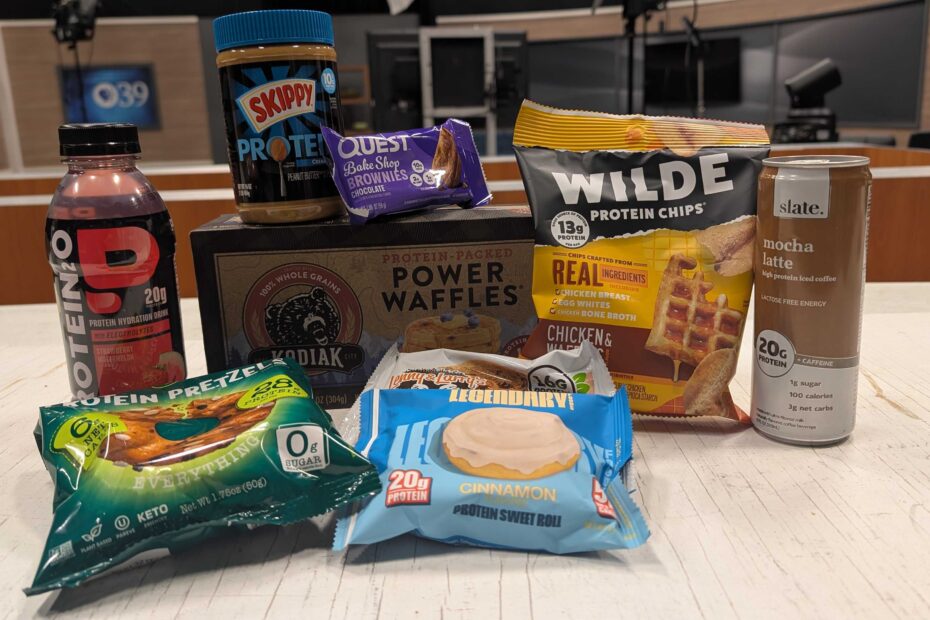
Powering up on protein: As focus zeroes in on nutrition, here’s how to navigate the nutritional maze
- by stefan